In the first episode, we challenged the idea that the Christian hope is simply about going to heaven.
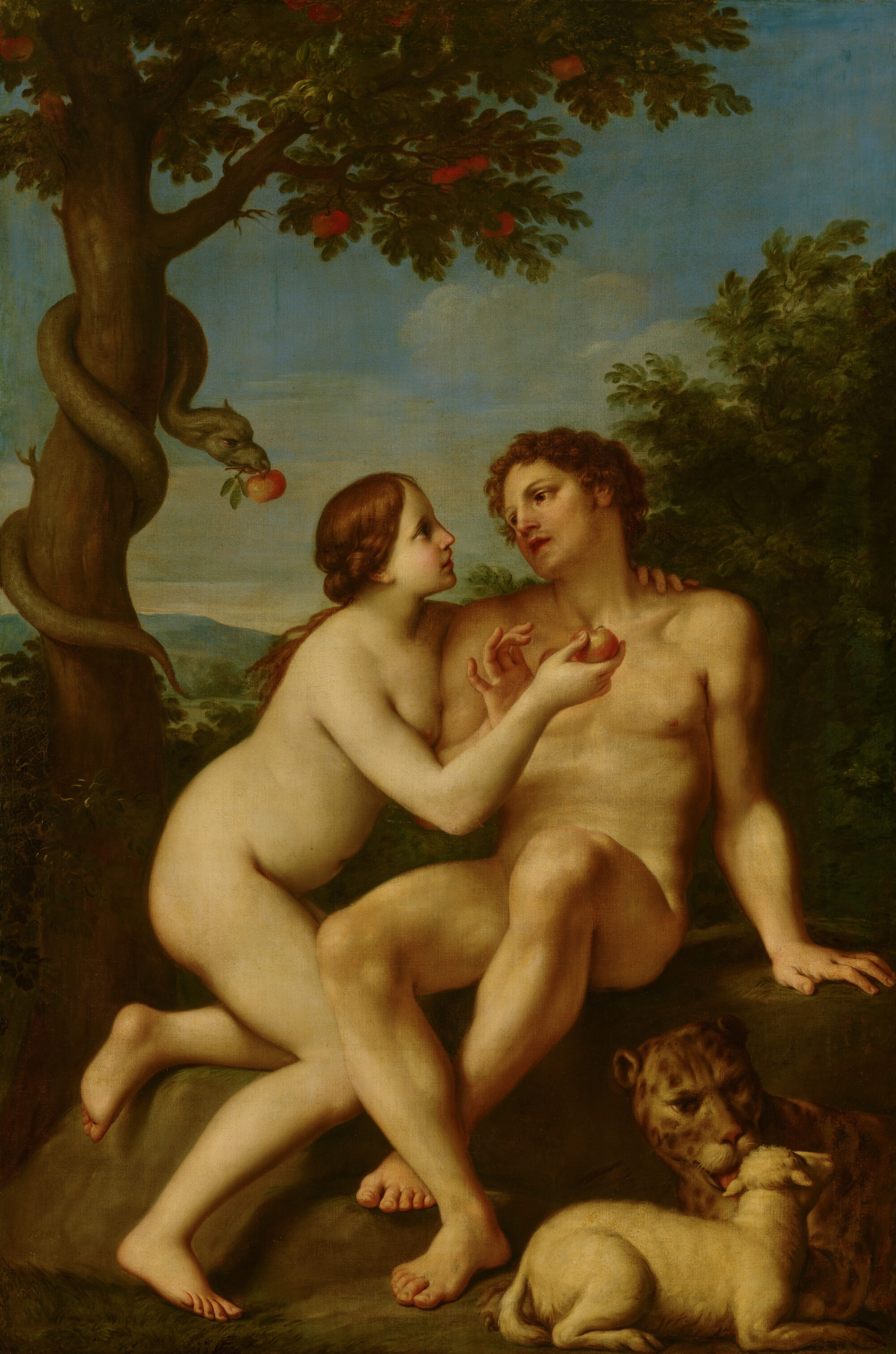
In the second episode, we traced the biblical story from Eden to New Jerusalem (in other words, from the beginning of the Bible to the end of the Bible, where we noticed the ‘garden’ bookends of Scripture). And we saw that God’s goal has always been to dwell with his people in a renewed creation.
Now, in this final episode, we turn to the question that inevitably follows:
If resurrection and new creation are our future, what difference does that make right now?
Because Christian hope is not meant to make us passive.
It is meant to make us faithful.
Resurrection Means the Body Matters
Many people—Christians included—have absorbed the idea that the body is something we merely endure until we are finally free from it.
But that’s not Jesus, that’s not Paul, that’s Plato, the Greek philosopher (400 years before Jesus), that’s Plutarch, a first century historian and young contemporary of Paul.
But the New Testament never speaks that way.
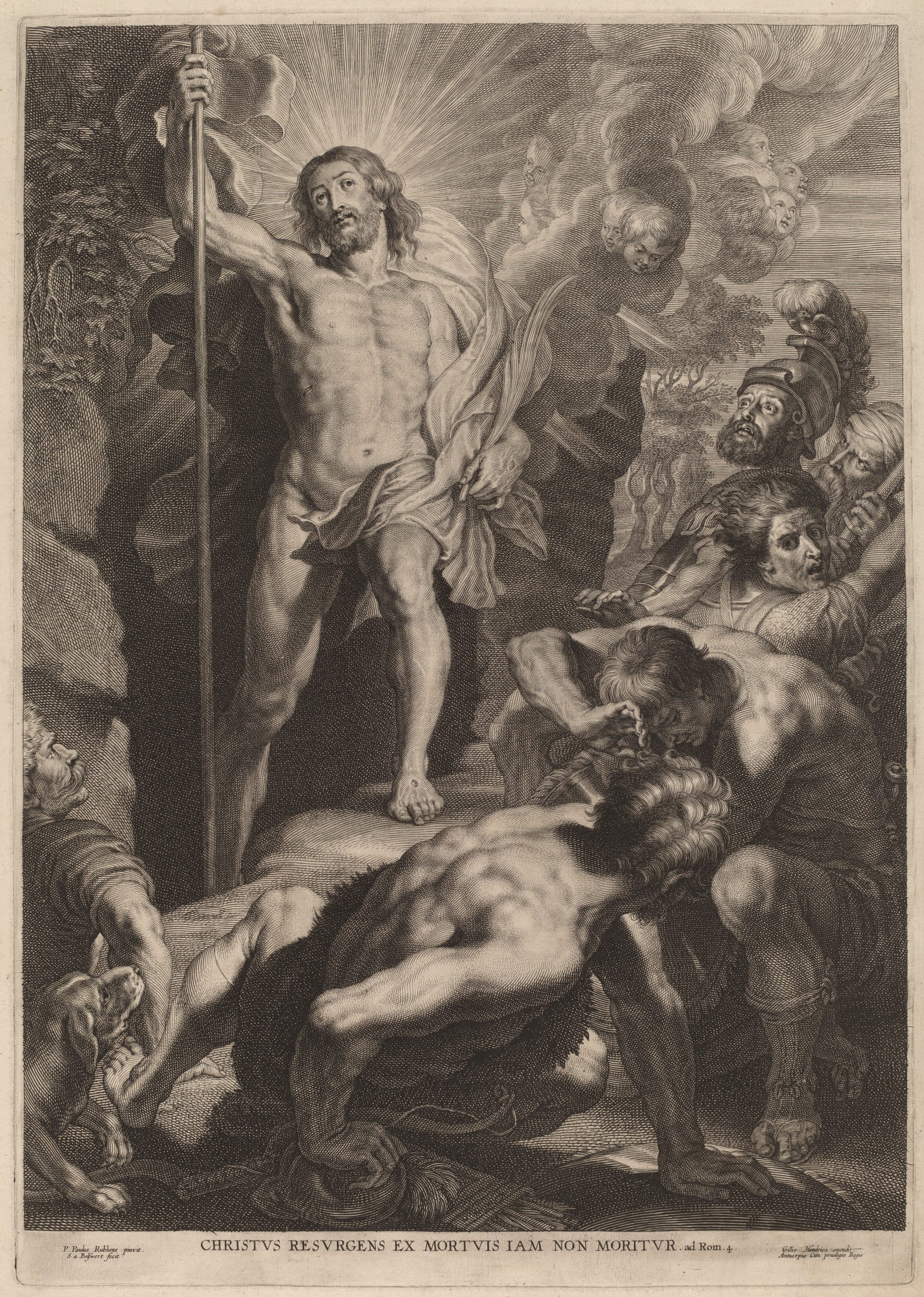
Paul insists that resurrection is bodily—transformed and glorified, yes, but continuous with the life we live now.
In Philippians 3:21, Paul says that Christ will:
“transform our lowly body to be like his glorious body.”
Not replace it.
Not discard it.
Transform it.
If God intends to raise the body, then what we do in our bodies now matters.
Resurrection declares that the body is not an obstacle to holiness, or to being ‘spiritual’ (as some think), but a gift destined for in-dwelt glory. In other words, God coming to dwell with us.
Creation Matters Because God Will Renew It
Again, In Romans 8, Paul tells us that all creation itself is groaning, and that its eagerly longing,—to be taken up to heaven with ‘saved souls’? NO! Creation is longing for release from the bondage of death, its enemy. Our enemy.
All creation waits, Paul says, for the revealing of the children of God. For God’s children to fulfill the mandate given to them in the Garden.
That means Christian hope is not world-denying, and, to be more personal, it’s not body-denying. Sadly today, there are a lot of people who deny the importance of the gift of our bodies, some, unfortunately, within the Church—whether its denying bodies in the womb or later the bodies we were given.
We’ve even arrived at the point where some in our society, and sadly some in the Church, support the use of sex rejection therapy, medicine and surgeries. That’s a very dark development. God help us as the Church to speak the Truth about who we were created to be.
For our hope is not body denying. It’s body-healing. It is world-healing.
What Christians do now—by the in-dwelt power of the Spirit—is not wasted. It is, in some mysterious way, taken up into God’s future ‘in Christ’ ‘in the Lord’.
Resurrection turns everyday faithfulness into embodied, eternal, significance.
Christian Work Is Not Meaningless
Paul concludes his great resurrection chapter with these words:
“Therefore, my beloved brothers and sisters,
1 Corinthian 15:58
be steadfast, immovable,
always abounding in the work of the Lord,
knowing that in the Lord your labor is not in vain.”
Notice the logic.
Because resurrection is true, work is not wasted.
That’s the context of this passage found here in THE RESURRECTION chapter of Scripture. Our labor is not in vain.
Faithful parenting, honest labor, quiet obedience, unseen service—none of it is lost.
The Christian life is not a temporary sketch to be thrown away.
It is a draft God intends to finish.
Suffering Is Real, but Not Final
And now we need to talk about something difficult and sometimes hard to understand. Christian hope does not minimize suffering.
Paul never tells believers to pretend pain is unreal.
But he does insist that suffering is not the last word.
In Romans 8:18, Paul says:
“The sufferings of this present time are not worth comparing
Romans 8:18
with the glory that is to be revealed.”
This is not denial. (You don’t know the Apostle Paul if you think he is in a state of denial here.)
It is defiance.
Resurrection hope allows Christians to grieve honestly without despairing finally. We don’t grieve as other do, who have no hope.1“But we do not want you to be uninformed, brothers, about those who are asleep, that you may not grieve as others do who have no hope.” 1 Thess 4:13
Mission Is Participation in God’s Future
Jesus announces the kingdom of God not as a distant dream, but as a present reality breaking into the world.
When the church bears witness—through proclamation, mercy, justice, hospitality, and self-giving acts of love—it is participating ahead of time in the world God has promised.
So our Mission is not about evacuating souls.
It is about anticipating New Creation.
The church is called to be a sign, an instrument, a foretaste, and a tabernacling presence, of God’s future.
Living Between the Times
Of course, we Christians live between resurrection begun and resurrection completed.
We live in the overlap of the ages. (those ages are ‘the present evil age’2Gal 1:4—as many of us know all too well—and ‘the age to come.’3Eph 1:21; Heb 6:5)
That’s a primary dichotomy in scripture – not between spirit and matter – but between the present evil age and the age to come.
And that tension explains why:
- death still hurts
- creation still groans
- faith still requires endurance
But it also explains why hope is possible.
Because the future has already begun in Christ.
A Different Way to Face Death
Christian hope does not treat death as a friend.
Death is an enemy—but a defeated one.
Christians grieve, of course, but not as those without hope.
Because death is not a destination.
It is a temporary interruption on the way to resurrection.
Living the Story
The Christian story does not end with souls escaping earth.
It ends with:
- God coming down to dwell with humanity at the center of God’s bi-natured creation when heaven and earth are joined in holy matrimony.
- The story ends with Creation renewed
- And Resurrection completed
And that future reshapes the present.
Every act of faithfulness, every act of love, every act of obedience—done in Christ—participates in the world God is bringing.
Because the crucial move in Scripture [again] is God coming down to us, NOT us going up to God. So by God’s grace, let us prepare a place for God to dwell.
And live not as someone waiting to leave the world behind, but as someone learning to live in the light of the world to come.
Closing Benediction
May the God who raised Jesus from the dead fill you with hope through the power of the Holy Spirit.
May you live not as one waiting to escape the world, but as one shaped by the promise of resurrection.
And may the hope of new creation strengthen your faithfulness, deepen your love, and steady you until the day God makes all things new.
Amen.
Quotables
Resurrection Defines Christian Hope — N. T. Wright
“The early Christians did not believe in a future disembodied existence. They believed in resurrection — a new kind of bodily life after whatever interval there might be between death and that resurrection.”
— Surprised by Hope
The Body Matters — Wright
“What you do with your body in the present matters because God intends to raise that body in the future.”
— Surprised by Hope
Creation Renewed, Not Destroyed — Wright
“God’s plan is not to abandon this world, the world he said was ‘very good.’ God intends to remake it.”
— Surprised by Hope
Present Faithfulness Has Future Value — Wright
“What you do in the present — by painting, preaching, singing, sewing, praying, teaching, building hospitals, digging wells, campaigning for justice — will last into God’s future.”
— Surprised by Hope
Suffering and Hope — Wright
“Christian hope does not deny the darkness; it shines light precisely into it.”
— Surprised by Hope
Resurrection and God’s Dwelling Presence — G. K. Beale
“The resurrection of God’s people is the final stage in God’s plan to fill the entire creation with his dwelling presence.”
— A New Testament Biblical Theology
Death Defeated — Wright
“Death is the enemy. It is not part of God’s good creation, and it will be destroyed.”
— Surprised by Hope
“Therefore, my beloved brothers and sisters,
1 Corinthians 15:58
be steadfast, immovable, always abounding in the work of the Lord,
knowing that in the Lord your labor is not in vain.”
REDISCOVERING THE CHRISTIAN HOPE – SERIES
Podcast Resources
- N. T. Wright, Surprised by Hope
- N. T. Wright, The Resurrection of the Son of God
- G. K. Beale, The Temple and the Church’s Mission
- G. K. Beale & Mitchell Kim, God Dwells Among Us
+++
I welcome any questions or comments. [Don’t worry, your personal info will not be given to anyone.] Thanks!