
When Courts Are Asked to Forget Reality

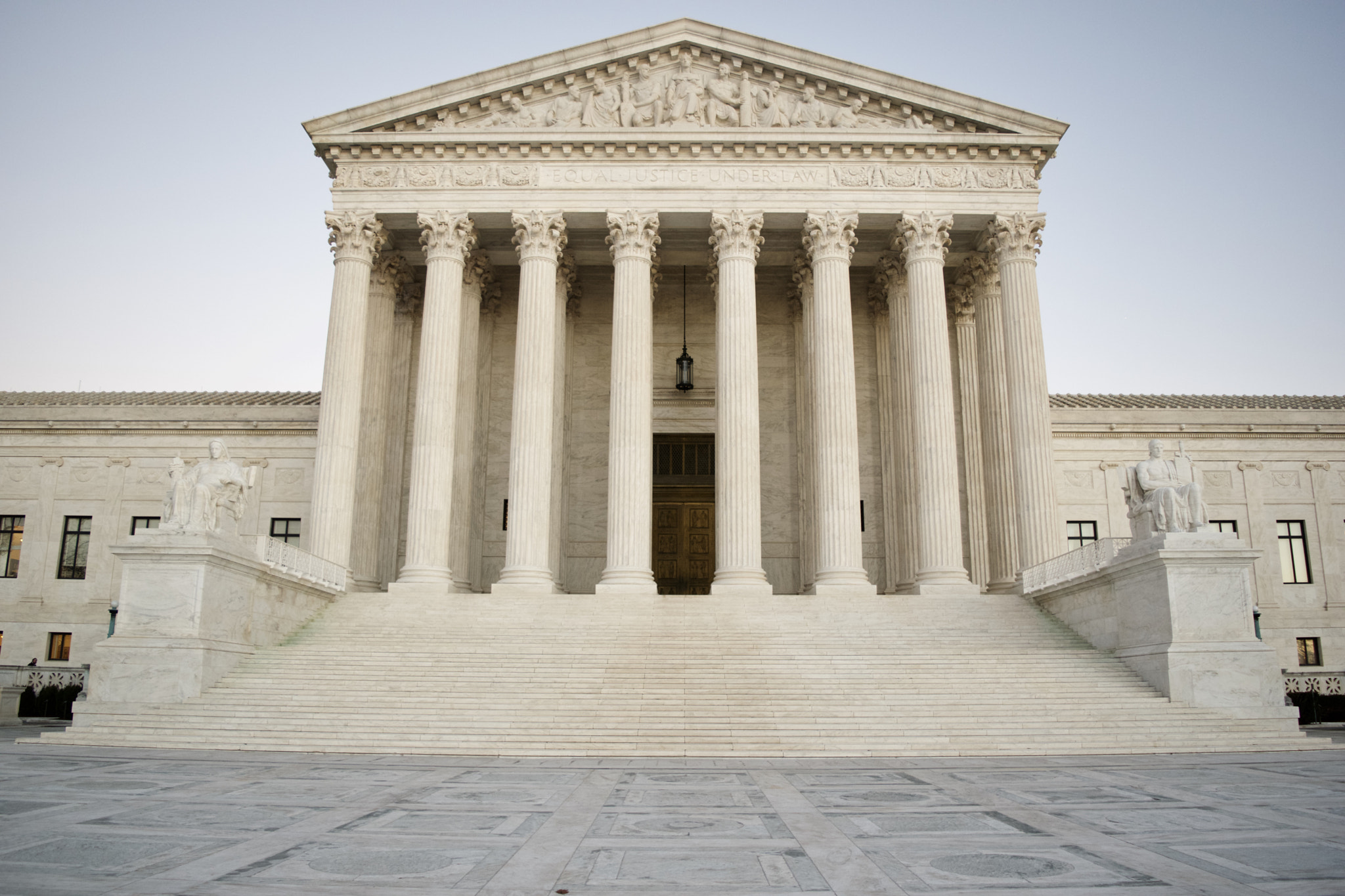
The Supreme Court: By Jesse Collins – CC 3.0

In a healthy constitutional republic, courts interpret laws; they do not redefine reality. Judges are charged with reading legal texts, not resolving questions of basic human biology that ordinary citizens have understood for centuries. Yet our cultural moment has produced an inversion: courts are increasingly asked to decide whether obvious truths about sex still count as truths at all.

That tension was on full display during yesterday’s Supreme Court arguments challenging state laws in West Virginia and Idaho that reserve girls’ and women’s sports for girls and women. These cases are not really about athletics. They are about whether the law must affirm a fiction—namely, that biological sex is either unknowable or irrelevant.

Why Female Sports Exist at All

Sex-segregated sports exist for a reason. Biological differences between males and females are real, measurable, and consequential—especially in competitive athletics, where strength, speed, and endurance matter not only for fairness but also for safety.

Female sports were created precisely because competing against males would disadvantage women and girls. To claim that excluding males from female sports is discriminatory misses the point entirely. The distinction is not arbitrary; it is grounded in biology.

That is why these cases almost always involve males seeking access to female sports rather than the reverse. Males who identify as female are not barred from sports altogether. They are barred from competing as females.

Sex Discrimination—or Biological Reality?

The challengers argue that laws preserving female-only sports constitute unlawful sex discrimination under the Equal Protection Clause and Title IX. But this argument collapses on contact with reality.

Sex-based distinctions are not inherently unjust. The law has long recognized that some forms of sex discrimination are legitimate when they reflect real biological differences rather than irrational prejudice. This is why sex-based classifications receive less stringent judicial scrutiny than race-based ones. Biology is not bigotry.

Female-only sports discriminate on the basis of sex by design—and rightly so.

The Question That Ends the Debate

During oral arguments, Justice Alito asked the question that cuts through all the legal gymnastics: What does “sex” mean for purposes of equal protection and federal civil rights law? How can courts determine whether discrimination has occurred if they cannot define the category at issue?

The response was astonishing. The challengers conceded that they had no definition. Sex, we were told, has no fixed legal meaning.

That should have ended the case.

When Congress prohibited discrimination “on the basis of sex,” it used a word with a clear, public meaning—one rooted in biology and universally understood when those laws were enacted. If that definition governs, laws protecting female sports are plainly lawful. If federal law is silent, then states are entitled to define sex reasonably for themselves. Either way, a biological definition cannot violate federal law.

The Absurd Alternative

The only alternative offered is worse: a system in which schools must police hormone levels, medical histories, and bodily alterations to determine who qualifies as female enough to compete. Such a regime would be invasive, unworkable, and deeply unjust—especially to girls.

The truth is neither complicated nor cruel. Boys are not girls. Men are not women. A legal system that cannot say so is not advancing equality; it is abandoning reality.


Companion Post

+++

Celebrate God’s Good Creation

The Supreme Court, the Porn Industry, and Our Kids: What’s at Stake

[We are called to protect and nurture God’s Good Creation, and nowhere is this responsibility more sacred than in caring for our children. It is our solemn duty to guard their hearts, minds, and futures, ensuring they grow in the light of truth and love.]

If you’re a parent, grandparent, or anyone concerned about the well-being of kids today, here’s something to pay attention to: the anticipated (and hopefully inevitable) clash between the Supreme Court and the pornography industry. (See yesterday’s blogpost). An article in Deseret News outlines this issue in detail, and it’s a wake-up call for anyone who thinks this isn’t a problem. Spoiler alert—it is.

The Big Picture

Right now, there’s growing pressure on the government to do more about the impact of pornography, especially when it comes to kids. The Deseret News article explains how the porn industry has managed to thrive in a largely unregulated online environment, even as its content becomes more graphic and accessible than ever. This is especially alarming given the increasing evidence that exposure to pornography harms young people’s mental health, relationships, and development.

But here’s the twist: the industry isn’t just standing by. It’s fighting back with claims about free speech and personal liberty, hoping to sideline any meaningful regulation. And the stakes couldn’t be higher.

Why This Matters

Here’s the deal: our kids are growing up in a world where hardcore content is just a click away. Parental controls can only go so far, and the sheer availability of this material makes it incredibly easy for kids to stumble onto things they’re not ready for—or worse, be deliberately targeted.

The harm isn’t hypothetical. Studies have shown that early exposure to pornography can distort kids’ understanding of relationships, consent, and self-worth. It’s not just about “shielding innocence”; it’s about protecting their ability to grow into healthy, well-rounded adults.

What’s Happening in the Courts

According to the article, there’s an opportunity for the Supreme Court to weigh in and set some boundaries for the digital Wild West. Proposals include stricter age verification for explicit websites and holding platforms accountable for failing to block access to minors. Sounds like common sense, right? But getting these laws passed—or upheld—isn’t easy when big money and powerful lobbies are involved.

The porn industry argues that these measures infringe on free speech and privacy. But there’s a line between free expression and exploiting loopholes to profit off harming children. The question is: will the courts draw that line, or will they let the industry continue virtually unchecked?

What We Can Do

While we wait for legal battles to play out, there’s a lot we can do at home and in our communities. Here are a few steps to consider:

1. Have the Talk: It’s uncomfortable, but talking to kids about online dangers (including pornography) is crucial. Equip them with knowledge so they can make good choices.

2. Advocate for Change: Stay informed and support legislation that protects kids online. Reach out to your representatives, or at the very least, share articles like the one in Deseret News to spread awareness.

3. Strengthen Digital Literacy: Teach kids to navigate the internet wisely. Knowing how to spot harmful content—or understand why it’s harmful—is half the battle.

Final Thoughts

The battle (one can hope) between the Supreme Court and the porn industry isn’t just a legal issue; it’s a cultural one. At its heart, it’s about what kind of world we want to create for the next generation. Do we want to protect their innocence, their mental health, and their future relationships? Or do we let profits and unlimited ‘free’ expression dictate the status quo?

It’s not an easy fight, but it’s one worth having. And it starts with all of us paying attention and speaking up.

[SOURCE: Deseret News ]

+++

Protect Our Children

Why the Supreme Court Needs to Uphold the Texas Age-Verification Law on Pornography

[We are called to protect and nurture God’s Good Creation, and nowhere is this responsibility more sacred than in caring for our children. It is our solemn duty to guard their hearts, minds, and futures, ensuring they grow in the light of truth and love.]

Today, the Supreme Court takes up a case with serious implications for the digital age: the Texas law requiring age verification for accessing online pornography. The case has drawn a spotlight on the critical issues of child protection, free speech, and technology’s role in shaping our society. A group of social scientists and experts—Jonathan Haidt, Jean Twenge, Jason Carroll, Brian Willoughby, and Brad Wilcox—have lent their voices in an amicus brief supporting the law. Their arguments draw from extensive research on the harms of pornography exposure to minors, and here’s why they believe this law matters.

The Case for Age-Verification Laws

The amicus brief makes a clear case: the digital age has transformed the accessibility and nature of pornography. Smartphones and the internet have made explicit content readily available, with minimal barriers. Research cited in the brief reveals that a staggering 97% of boys and 78% of girls between ages 12 and 17 have been exposed to pornography. Many encounter it as early as age 10. Unfortunately, this exposure is not to innocuous content—it often involves violent, degrading, and harmful depictions of sexuality.

This environment is particularly harmful to minors, whose cognitive and emotional development makes them more vulnerable to the effects of such media. The experts argue that traditional methods of limiting access, such as parental controls or content filters, have proven woefully inadequate. In this context, age-verification laws like the Texas statute aim to offer a more effective solution to protect vulnerable populations.

The Harms of Pornography on Minors

The brief underscores a range of negative outcomes associated with early and frequent exposure to pornography:

1. Unhealthy Sexual Attitudes and Behaviors

Minors exposed to pornographic content are more likely to develop permissive sexual attitudes and engage in risky sexual behaviors, such as unprotected sex. This increases the risk of poor health outcomes, teen pregnancies, and emotional distress.

2. Aggression and Violence

Research shows a troubling link between viewing violent pornography and real-life aggression. Minors exposed to such content may normalize or even imitate these behaviors, leading to an increase in sexual harassment, dating violence, and other harmful interactions.

3. Mental Health Challenges

Compulsive consumption of pornography among minors has been linked to addiction-like behaviors, depression, anxiety, and issues with self-esteem and body image.

4. Relationship Instability

Early exposure to pornography is associated with difficulties in forming and maintaining stable, healthy relationships later in life. This has long-term implications for family stability and societal well-being.

A Balancing Act: Free Speech vs. Child Protection

Critics of the Texas law argue it infringes on First Amendment rights by creating barriers to access for adults. However, the amicus brief emphasizes that reasonable restrictions, like age verification, are not about censorship but about protecting minors from demonstrable harm. The brief draws parallels with existing laws on age-restricted content, such as alcohol and tobacco, which reflect society’s commitment to safeguarding youth.

Furthermore, the brief notes that technological advances make it possible to implement these measures without unduly burdening adult users. In fact, many argue that the real question isn’t whether we can protect minors but whether we choose to prioritize their well-being.

Why the Supreme Court Should Support This Law

In their closing arguments, the amici warn against viewing age-verification laws as merely a matter of convenience or free speech. The stakes are higher than ever in an era where the internet saturates every aspect of our lives. Upholding the Texas law would set a precedent that states can take proactive steps to protect children in the digital age.

This isn’t about banning pornography (although I would like to) or policing morality—it’s about recognizing the unique vulnerabilities of minors and creating a framework that shields them from undue harm. For the sake of the next generation, the Court must acknowledge the compelling evidence presented by these scholars and support reasonable, well-crafted measures like Texas’ age-verification law.

The amicus brief, backed by years of research, is a wake-up call to lawmakers, educators, and society at large. It’s time we take a hard look at the costs of inaction and commit to safeguarding our children in an increasingly complex and digital world.

[SOURCE: Brief of Social Science Scholars as Amici Curiae ]

+++

Protect Our Children