As I stepped onto the Sand Dune Arch Trail in Arches National Park, the early morning sun was casting long, dramatic shadows that danced on the red-orange sandstone formations. The air was dry, carrying the faint scent of sagebrush and juniper, a signature perfume of the Utah desert.
The trail, a mere half-mile long, was easy, but the scenery was anything but ordinary. It was like stepping onto another planet, the landscape a surreal painting of wind-sculpted arches and towering spires. The centerpiece, the Sand Dune Arch, was a marvel of nature’s architecture, a testament to the power of wind and time. Nestled between two sandstone fins, it was a hidden gem, and no doubt a sanctuary of shade in the desert’s unforgiving heat, if you visit during the summer. But I was there during the coolness of early spring. The best time to go.
As I walked, the sand beneath my feet shifted, each step a crunch in the otherwise silent expanse. Upon reaching the arch I sat, taking a moment to appreciate the quiet, the grandeur of the arch above me, and the way the light filtered through, casting an ethereal glow.
The Sand Dune Arch Trail, though short, was a journey through time, a glimpse into the raw, untamed beauty of nature.
If you would like to see more of these picture slideshows, click on the category God’s Beauty.
June 29 was the 28th anniversary of St. John Paul II’s “Letter to Women.” ( A MUST READ)
Some reflections on the uplifting importance of that letter….
Reflection 1
John Paul II’s first, and arguably, most profound point, is his expression of gratitude. Whether you’re a mother, wife, daughter, sister, employed in the workforce, consecrated virgin, or an educator (in whatever capacity), he thanks YOU. He doesn’t only thank you for the work you do, but for your very existence as a woman.
Reflection 2
As St. John Paul II continues in his reflection, he rightly brings awareness to the marginalization and lack of progress women have experienced. While it’s easy to see drastic progress in something like Title IX, we are simultaneously experiencing a “relapse” of this progress, spearheaded by lawmakers, organizations, and activists rushing to dismantle a law that has protected so many women. This is not the only deterioration we are seeing.
We live in a culture that no longer understands what it means to be a woman. We live in a culture that changes words like “breastfeeding” to “chestfeeding” or “women” to “wimmin” in the name of affirmation and inclusivity. We live in a culture where biological men compete in women’s sports. And we live in a culture that tells little girls they are boys because they enjoy wearing cargo shorts over dresses and prefer trucks over dolls. The list continues. So, what happened?
We not only forgot to thank women, but we also forgot to address that women are inherently different and unique, made in the Image and Likeness of God, with a specific vocation that only women can fulfill, to help. I’m not claiming the world became corrupt for this reason alone, but how are we expected to flourish in a culture that doesn’t respect or appreciate God’s given design for our bodies, let alone His plan for our lives?
“Let us remind our daughters, “tomboys” or not, that they are loved as a child of the Lord and are no less of a woman because they choose dirt over dolls, or dolls over dirt. Let us remind our friends that they can still be “mothers” by guiding their students, peers, or nieces/nephews toward the truth, single or not.”
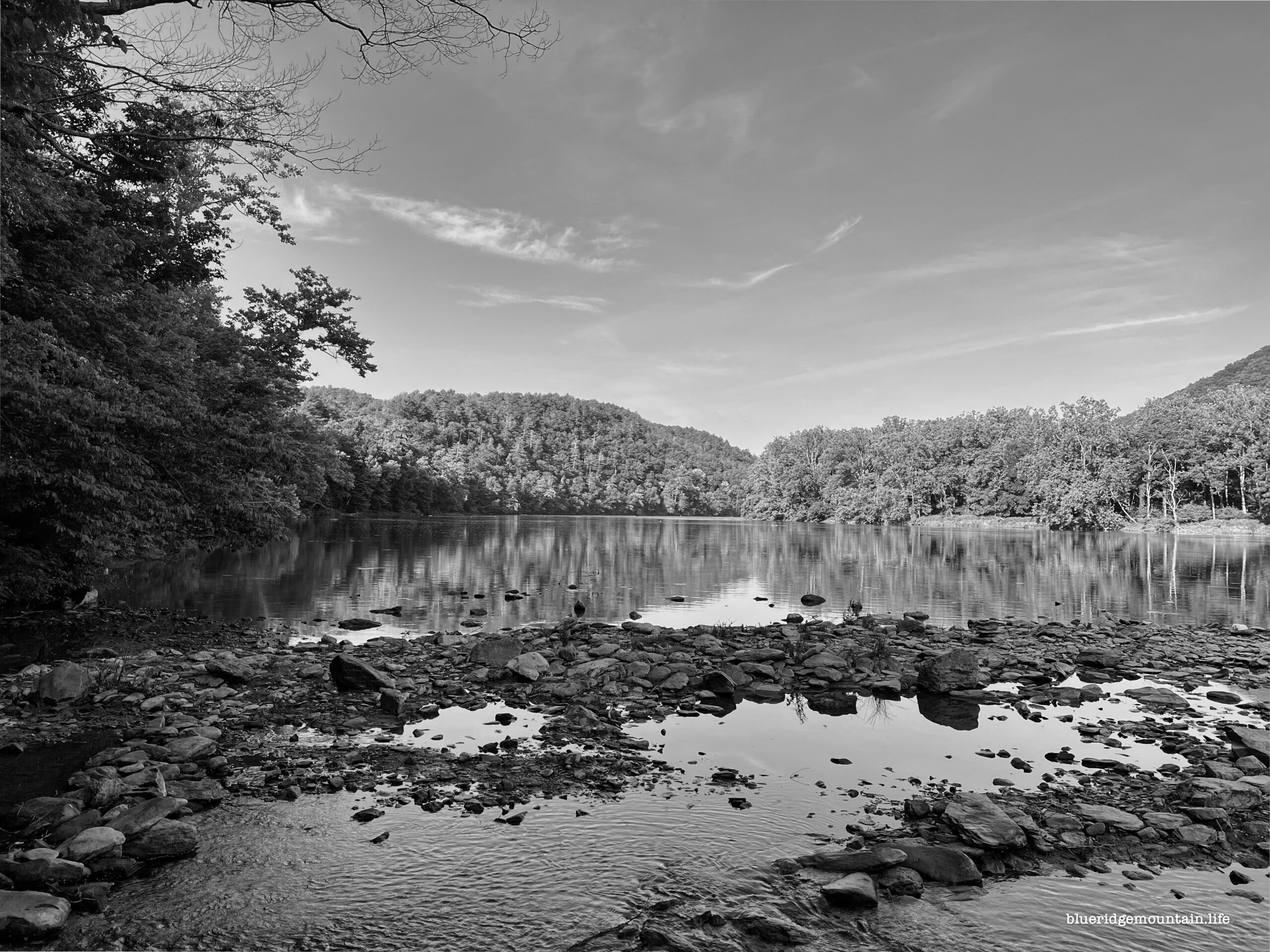
I suppose it all starts with the name. Because you see, the New River, which courses its way across the spectacular landscapes of North Carolina and Virginia, is, rather amusingly, not very new at all. In fact, it’s widely considered to be among the oldest rivers in the world, tracing its lineage back some hundreds of millions of years, give or take an eon or two.
The New River, Virginia
The irony in the name arises from the fact that when the European settlers arrived, they called it the ‘New River’ simply because it was the new river they discovered. An example of human simplicity if you will.
According to the scientists, those lovable lab-coat clad individuals who speak in terms only slightly more decipherable than an intoxicated groundhog, the New River is a venerable old geezer. It’s believed to have gracefully resisted the tectonic uplift that formed the Appalachian Mountains. The waterway’s course is a flowing testament to geologic rebellion, running south to north, in open defiance of its many eastern seaboard brethren.
Stretching for a respectable 360 miles, it meanders through gorges, valleys, and placid farmland, as if the river, not quite ready to concede to the ravages of time, is taking the scenic route through life. And what a life it must’ve been, witnessing the wax and wane of epochs, the dance of dinosaurs, the rise and fall of civilizations, all while carrying on with the soothing, persistent murmur of flowing water.
It’s a delightful spectacle of nature, whether you’re standing on the edge gazing into its depths, or better yet, paddling along its course. The section near the New River State Parkin North Carolina provides a heavenly kayaking experience. With an easy gradient, it caters to a wide range of kayakers, from those with the overconfidence of beginners to the well-worn, sea-salt-in-the-veins sort of veterans. Not to mention, it’s also blessed with some of the most breathtaking scenery you could ask for, a nature’s art gallery curated by the hands of time.
As I paddled down this ancient waterway, taking in the limestone cliffs and evergreen forests lining its banks, the sun warming my skin, the water cooling my heels, I felt an immense sense of calmness. It’s easy to see why our pagan ancestors might have regarded rivers as gods. They are potent and gentle, dangerous and comforting, old and yet, forever new.
So there you have it – the New River. An old, winding trail of water with a youthful spirit, a place where time has meandered in strange loops and swirls, much like the river itself. A reminder of the past and an inspiration for the present, just waiting for us to dip in our paddles and join the flow. Because that’s the thing about rivers, they’re always on the go, much like life. And as the old saying goes, you can never step into the same river twice.
Several weeks ago, before the Canadian ‘Cannabis’ smoke came South, I shot this drone video of the New River and one of its many tributaries.