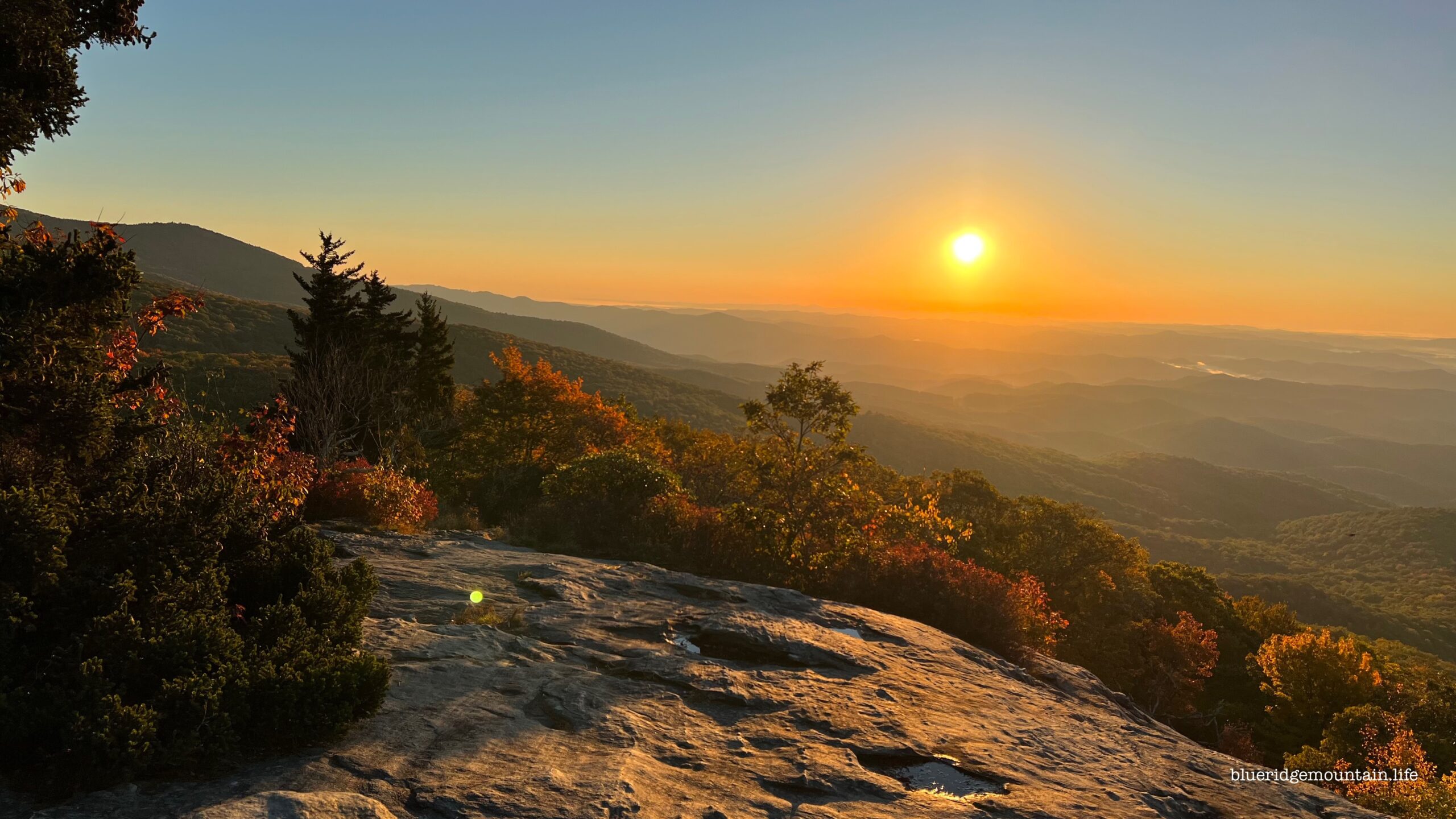
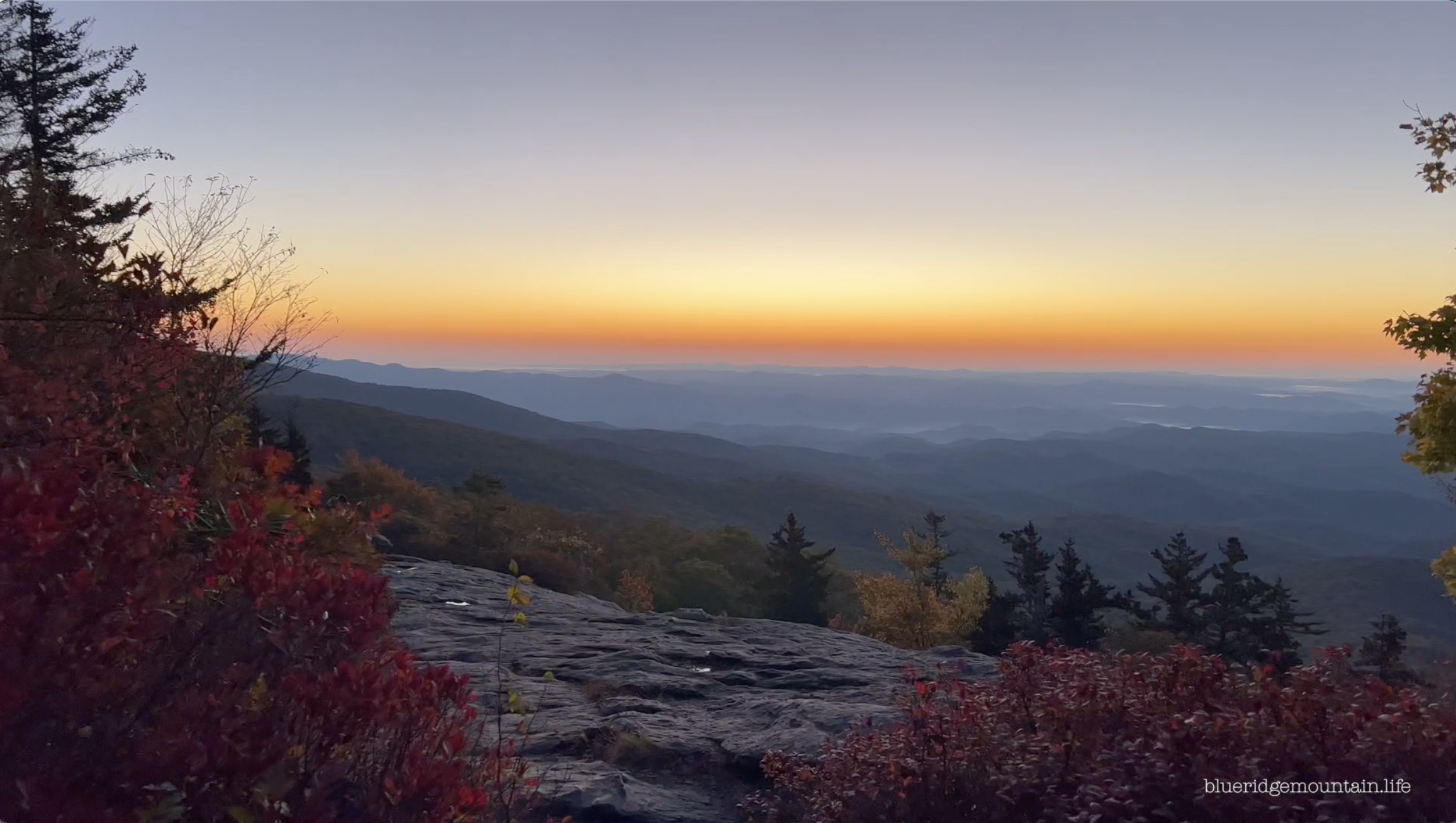
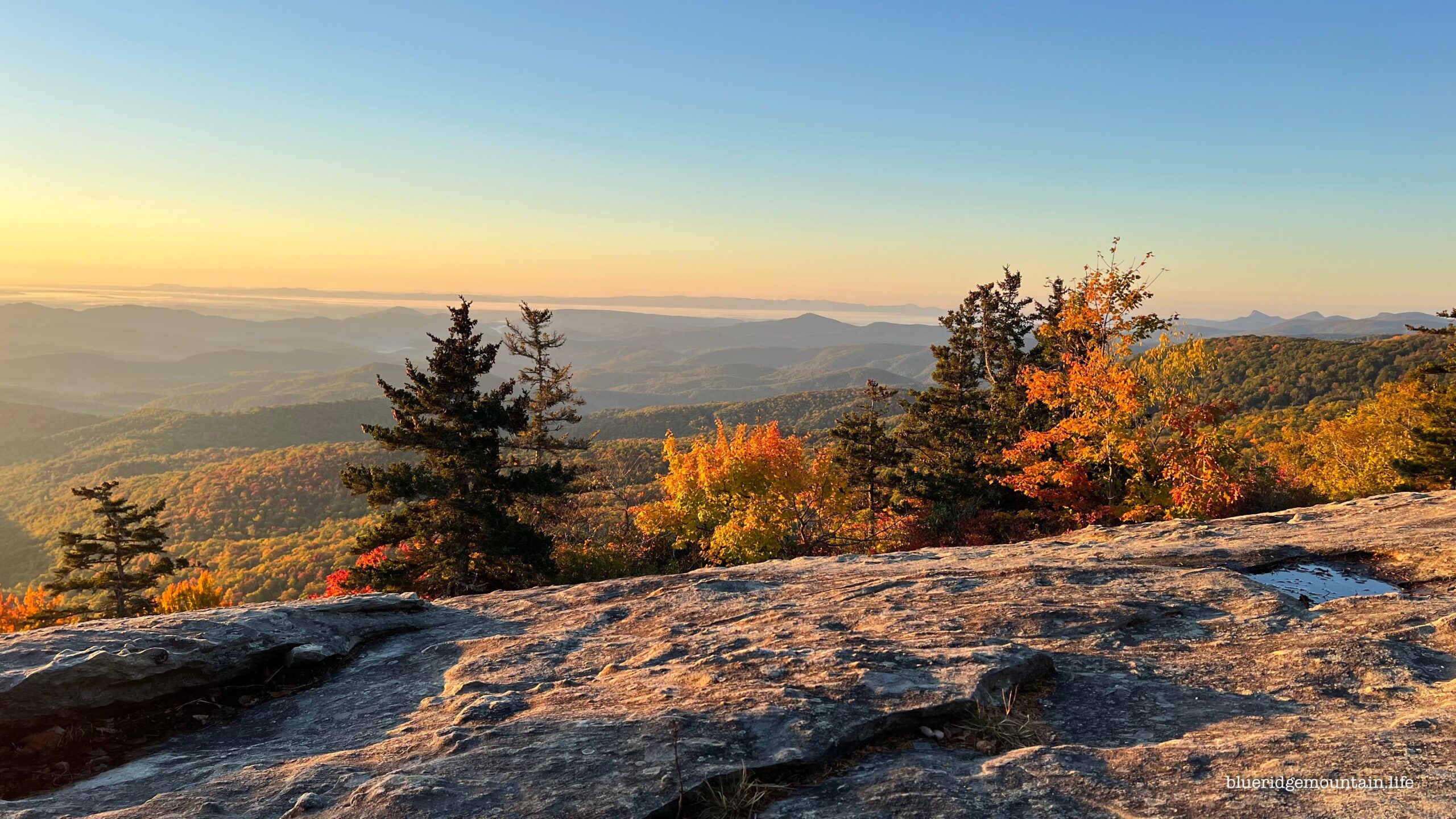
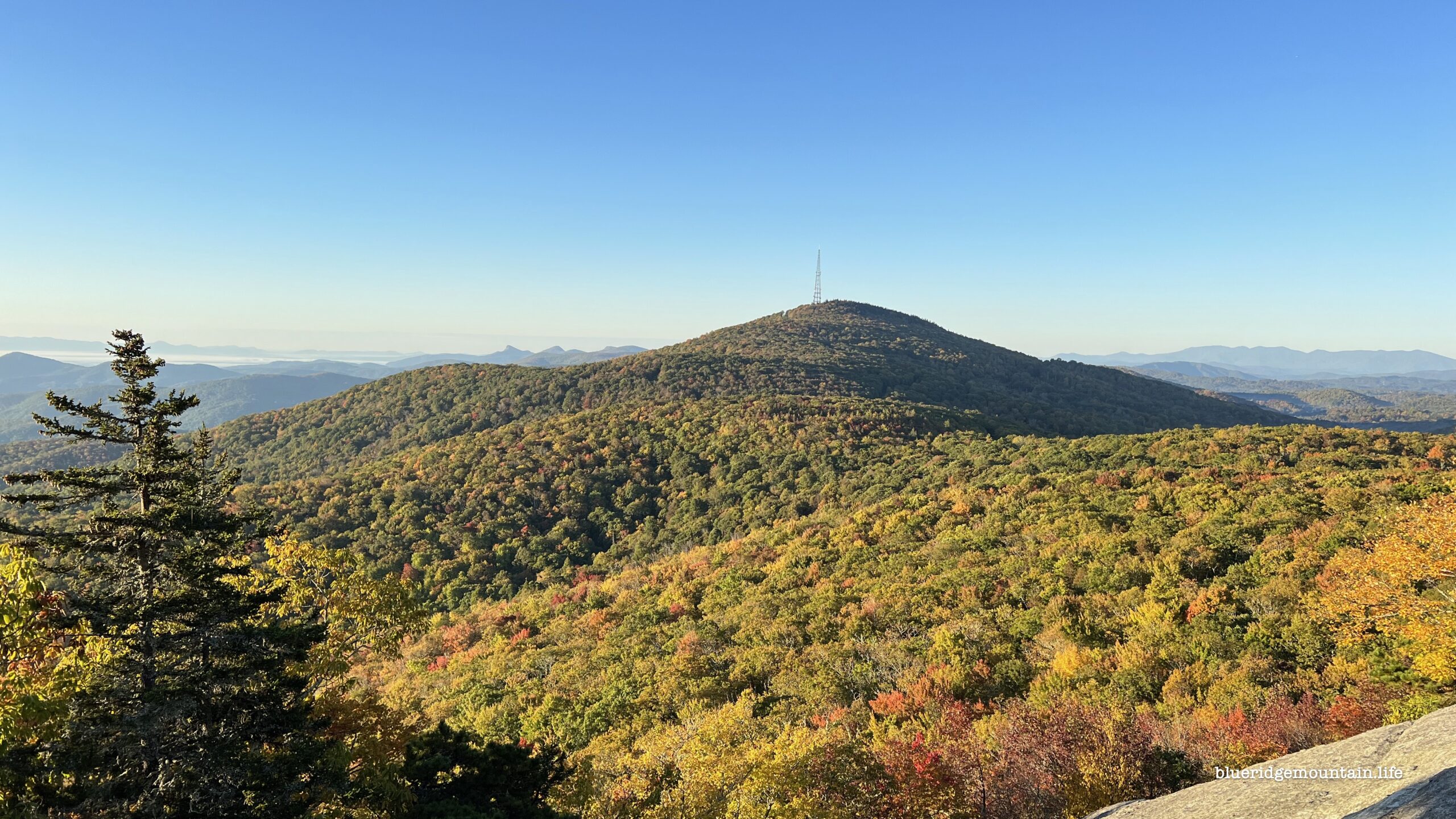
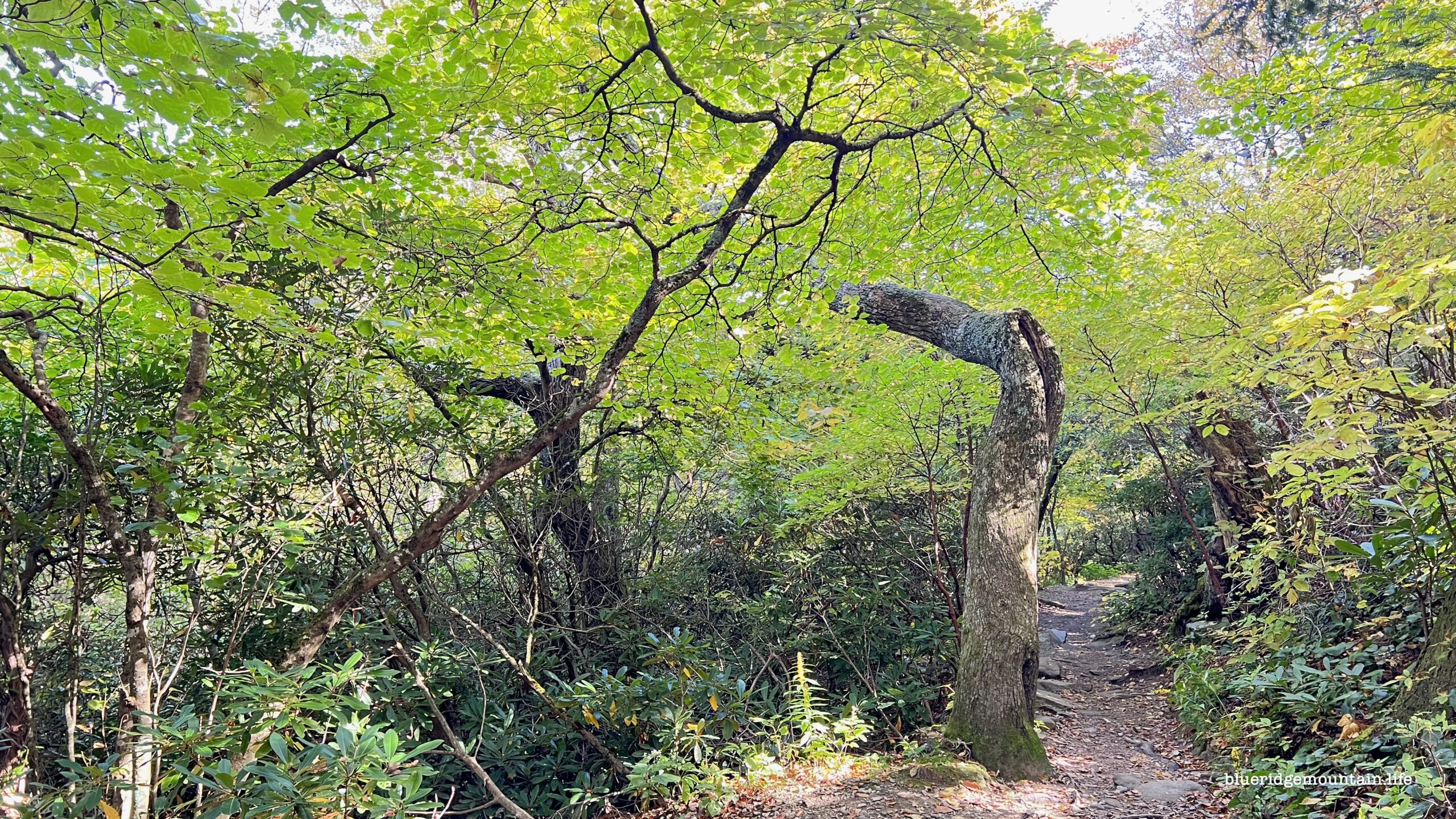
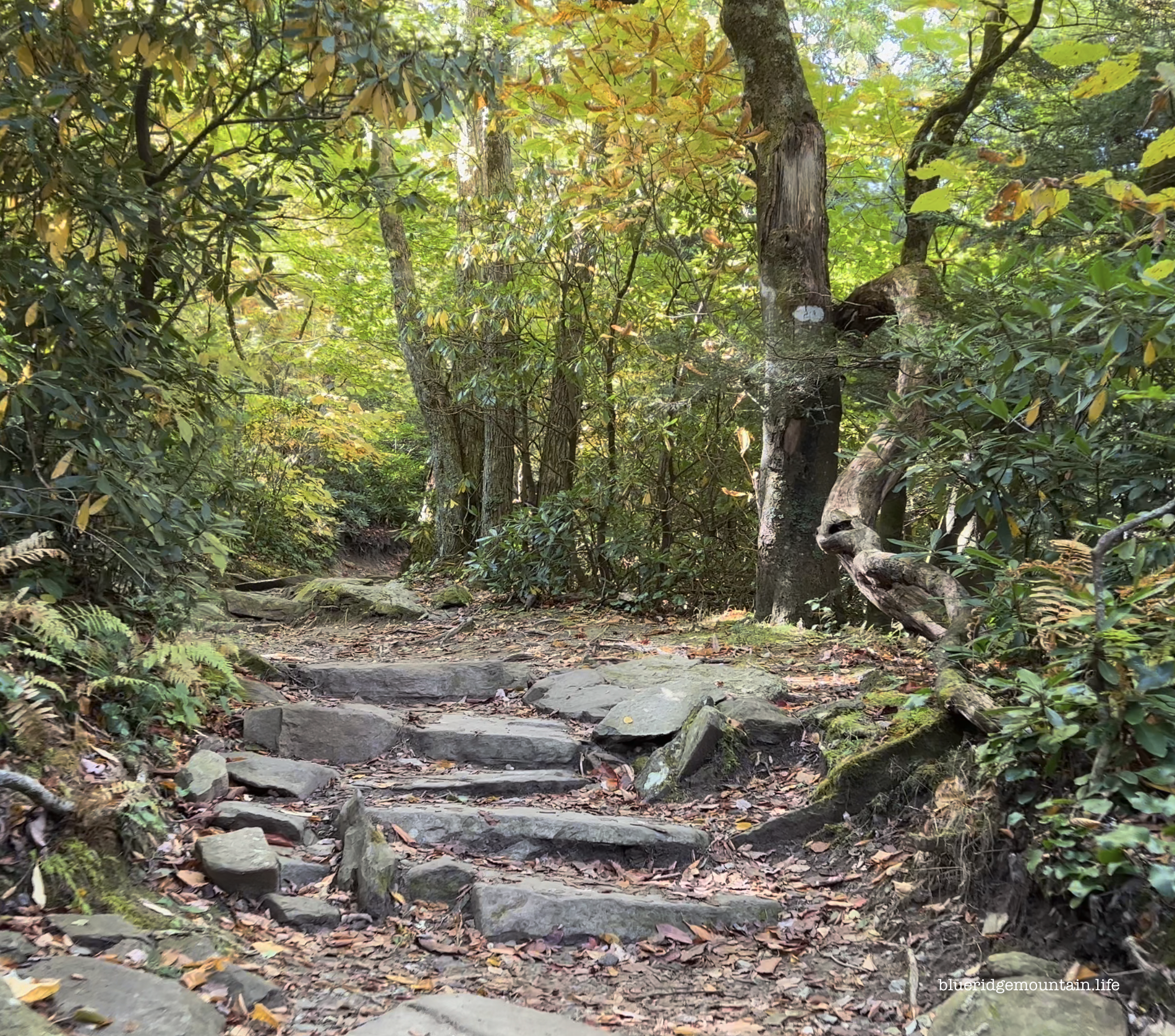
Nestled along the scenic Blue Ridge Parkway at Mile Post 305, Beacon Heights offers an enriching escape for hikers and nature lovers alike. Just a stone’s roll away from the renowned Grandfather Mountain. Here are a few shots from that day.
+++
Blue Ridge Style & Beyond
Nestled along the scenic Blue Ridge Parkway at Mile Post 305, Beacon Heights offers an enriching escape for hikers and nature lovers alike. Just a stone’s roll away from the renowned Grandfather Mountain. Here are a few shots from that day.
+++
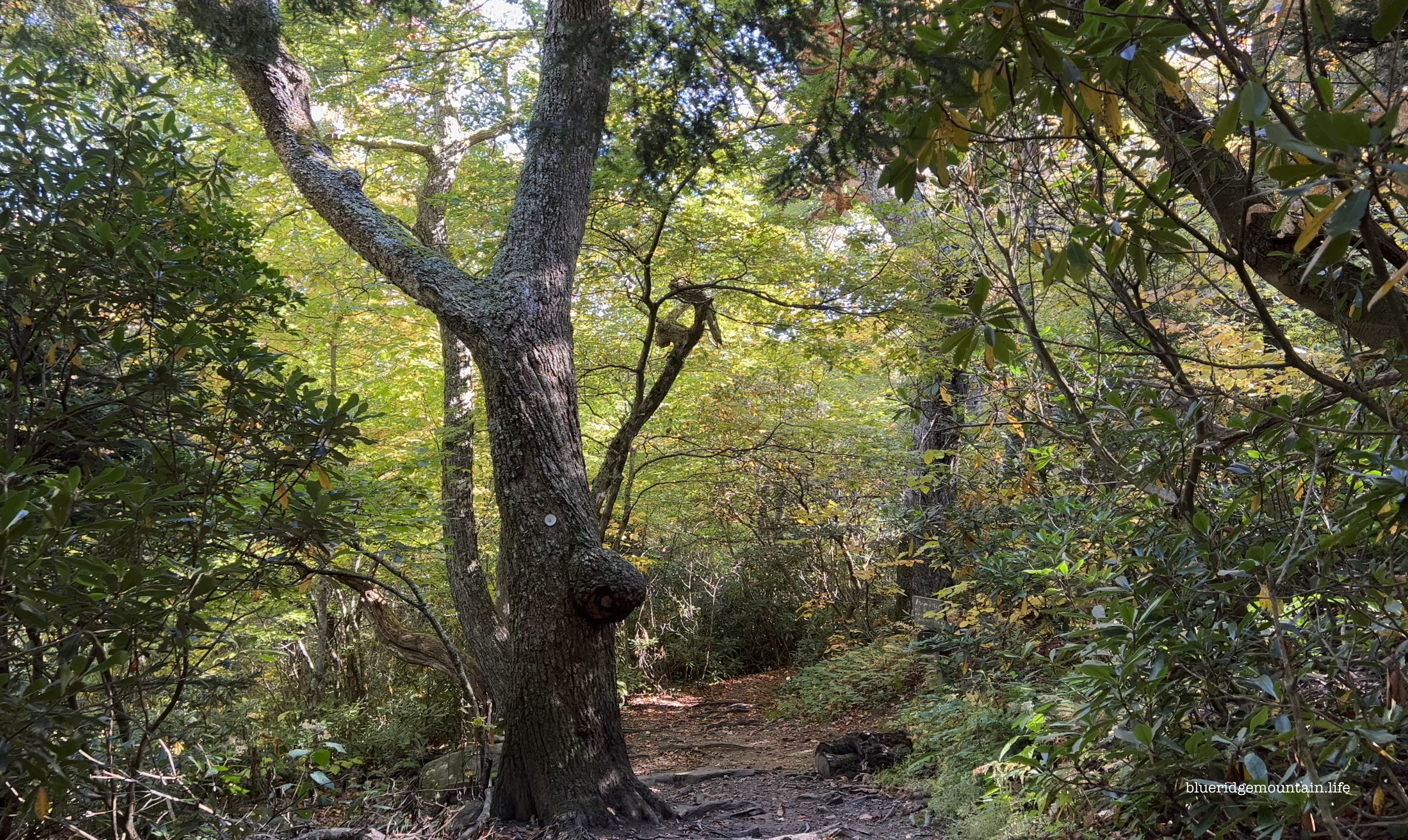
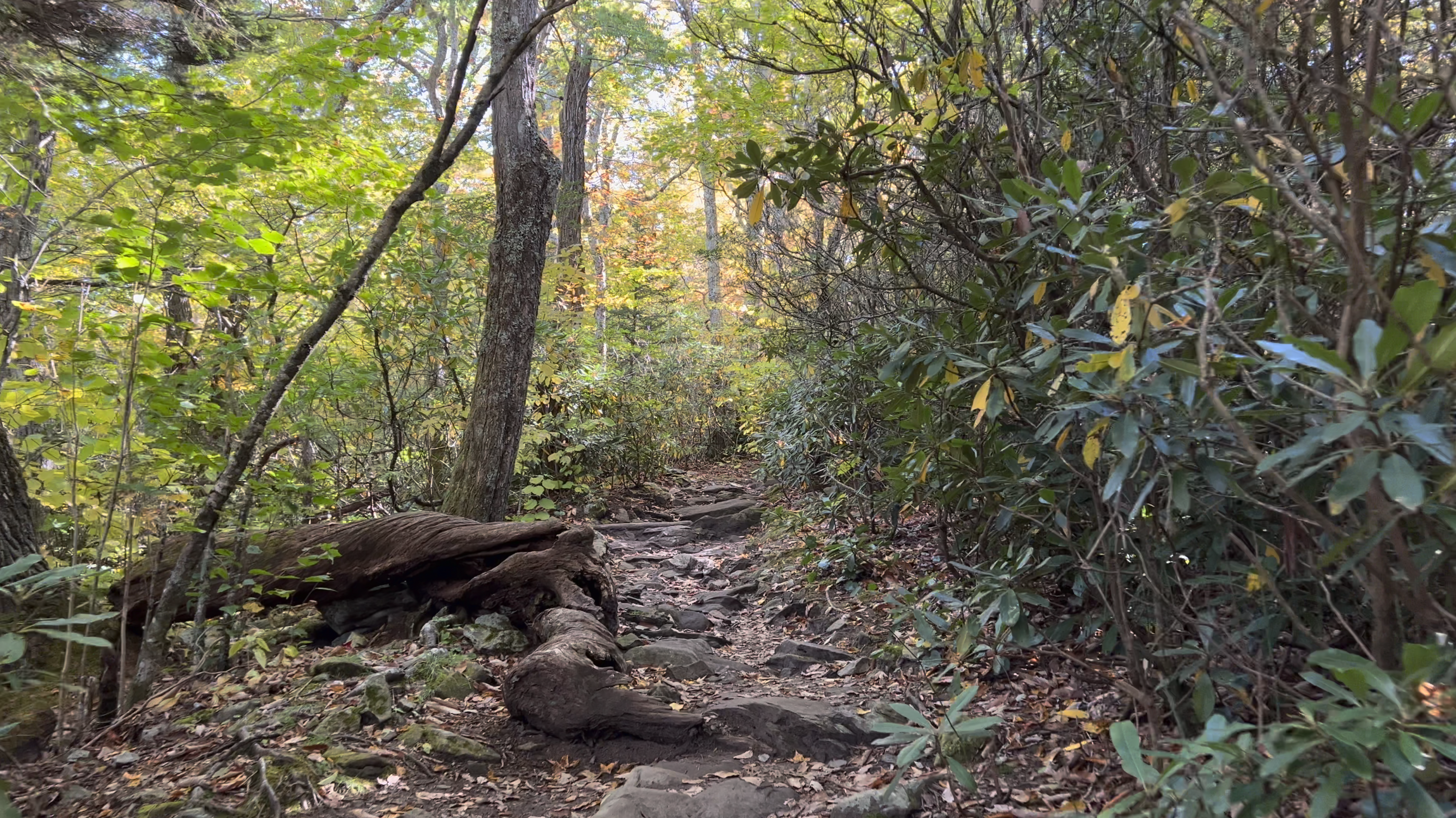
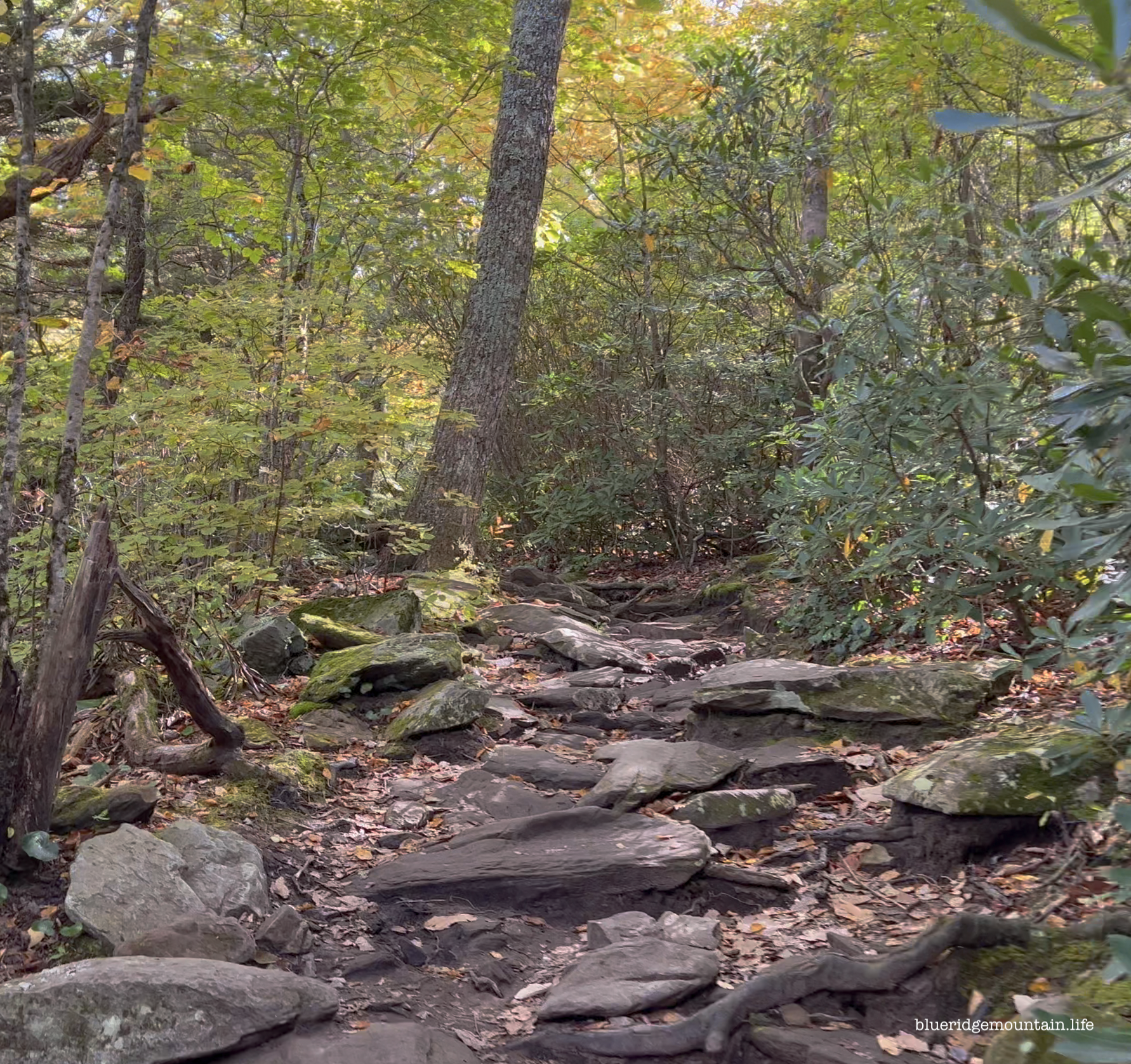
Some autumn shots of the Beacon Heights trail.
+++
Last month I visited Congaree National Park in South Carolina. November is a good month for a visit. Because during the summer in this swamp the mosquitoes hold annual conventions with a fervor that would put any political rally to shame.
But not today.
So let’s take a boardwalk!
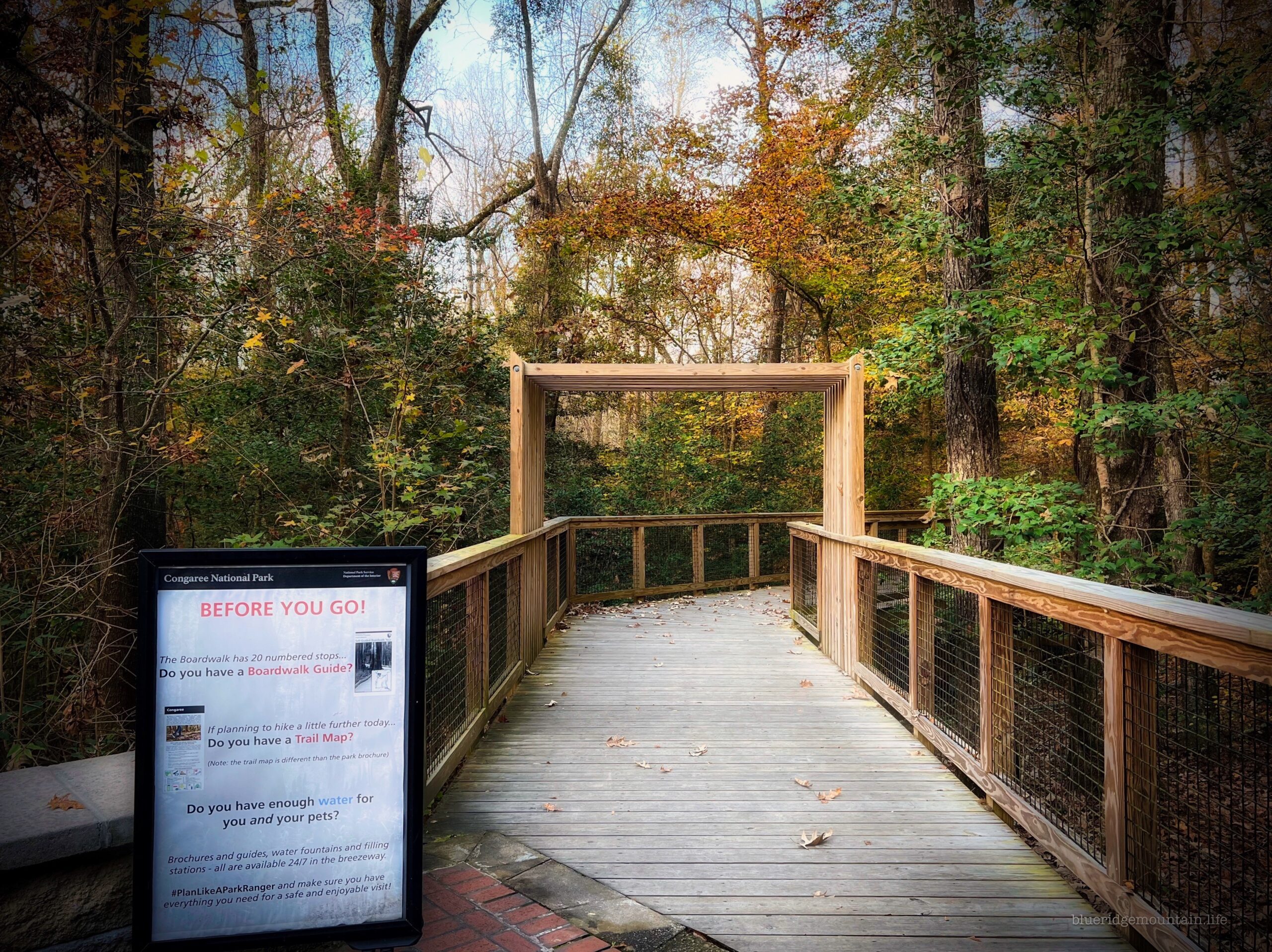
Much of the park is a floodplain, which means it’s often as soggy as a sponge in a rainstorm. To help you explore without turning into a mud sculpture, there are elevated boardwalks winding through the forest.
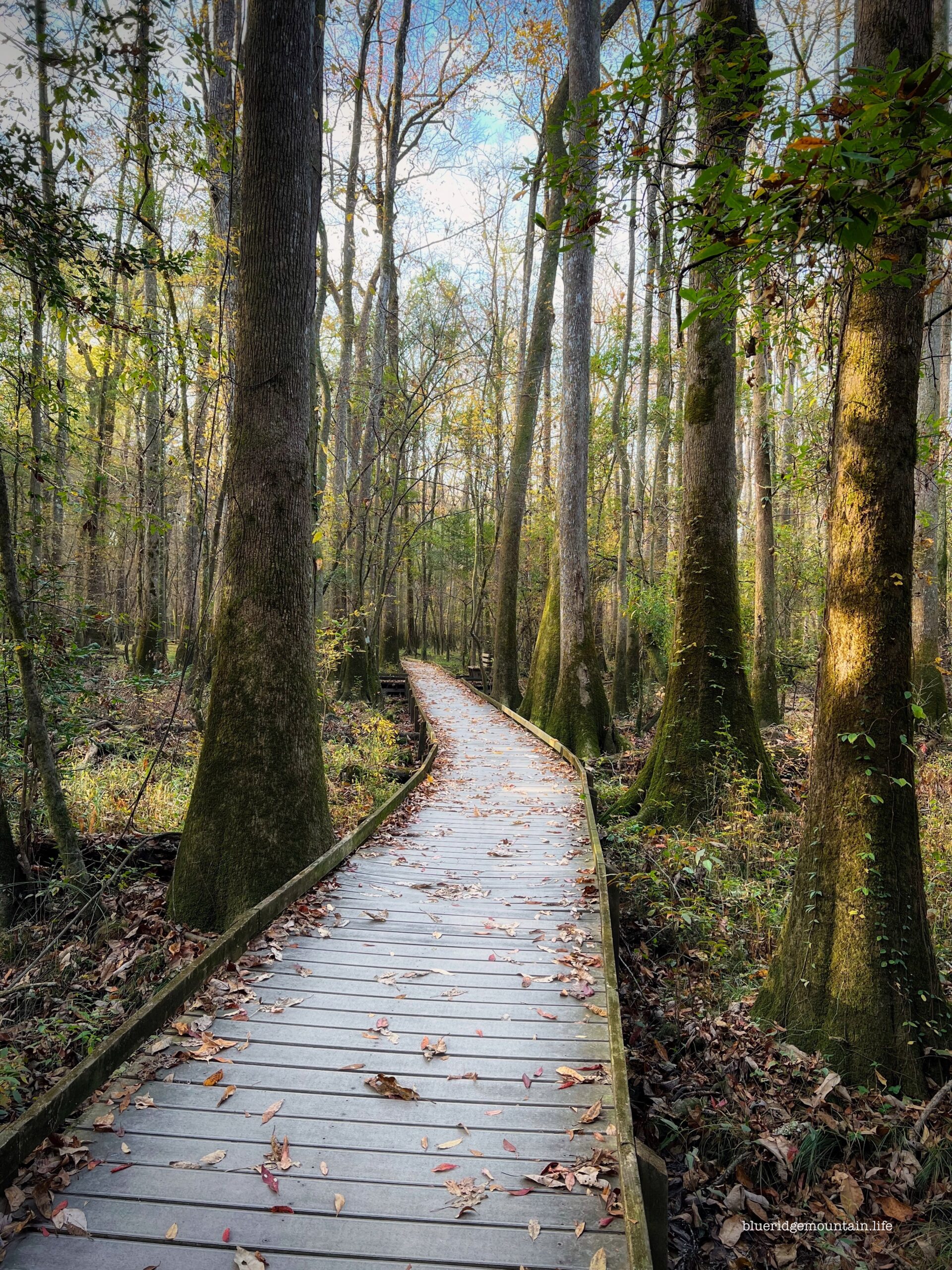
These boardwalks are fantastic, offering you the chance to stroll above the swampy fray while looking down at the world of frogs, waterfowl, and the occasional serpentine reptile.
+++
The park is home to some of the tallest trees in the eastern United States. These are not your average backyard oaks or maples; these are towering hardwoods and pines that have been around since, well, probably since the squirrels started keeping diaries.
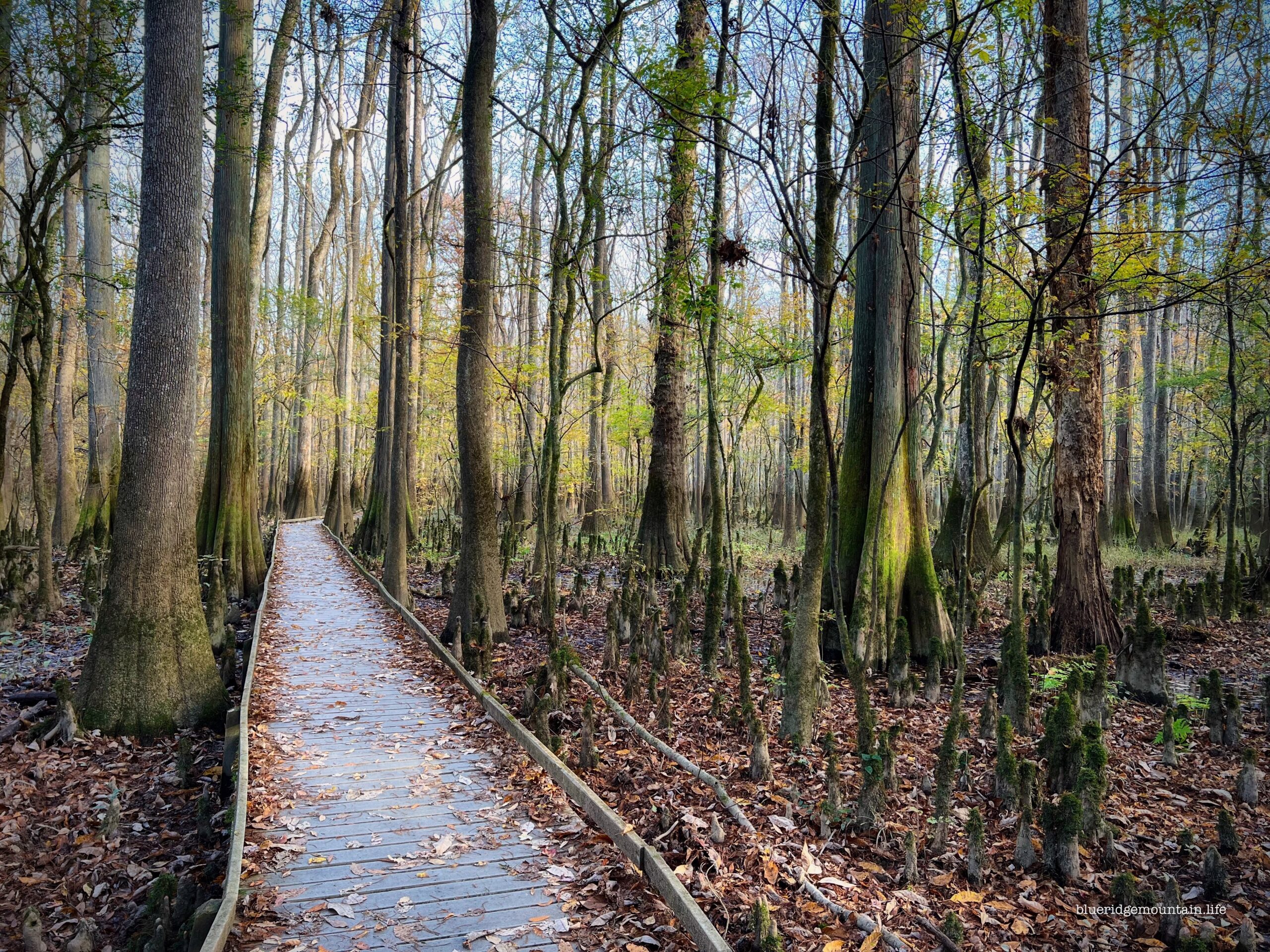
It’s like walking through a natural cathedral, with a canopy so high it might as well have its own weather system.
Aside from the aforementioned mosquitoes, which in the summer secretly hone their skills for the Insect Olympics, there’s a whole array of creatures. For example, the park is a haven for birdwatchers.
I heard many, but saw few.
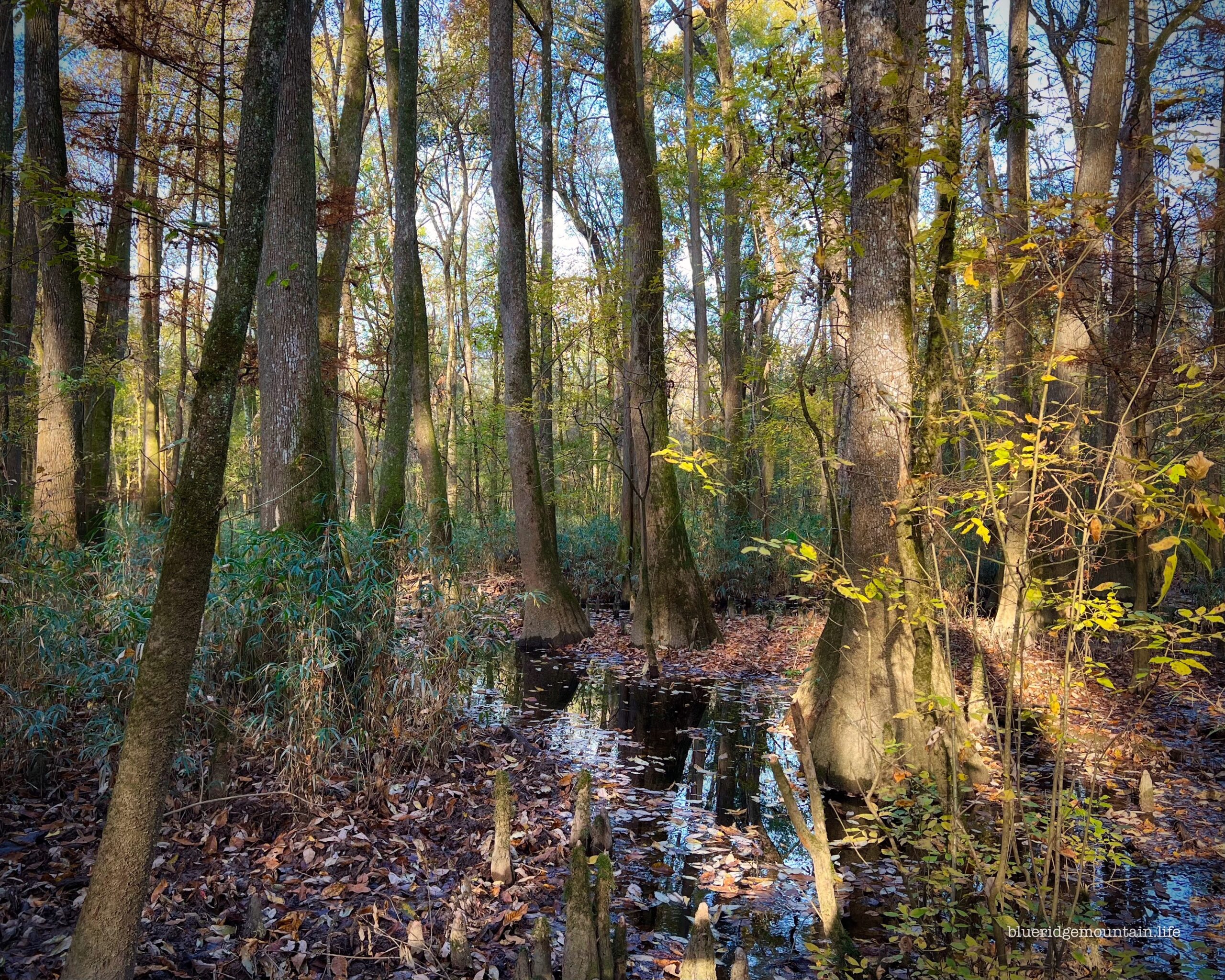
I did spot four feral pigs running as fast as their little legs would go. Not native to the park these porcine interlopers roam like four-legged outlaws. Their snouts, like a bulldozer, can turn a serene patch of forest floor into a scene resembling a worn out rugby field.
The day before I arrived Park rangers closed the park & went on a piggy hunt. Feral pig foraging habits also make them the inadvertent landscapers of Congaree, altering the forest floor and waterways.
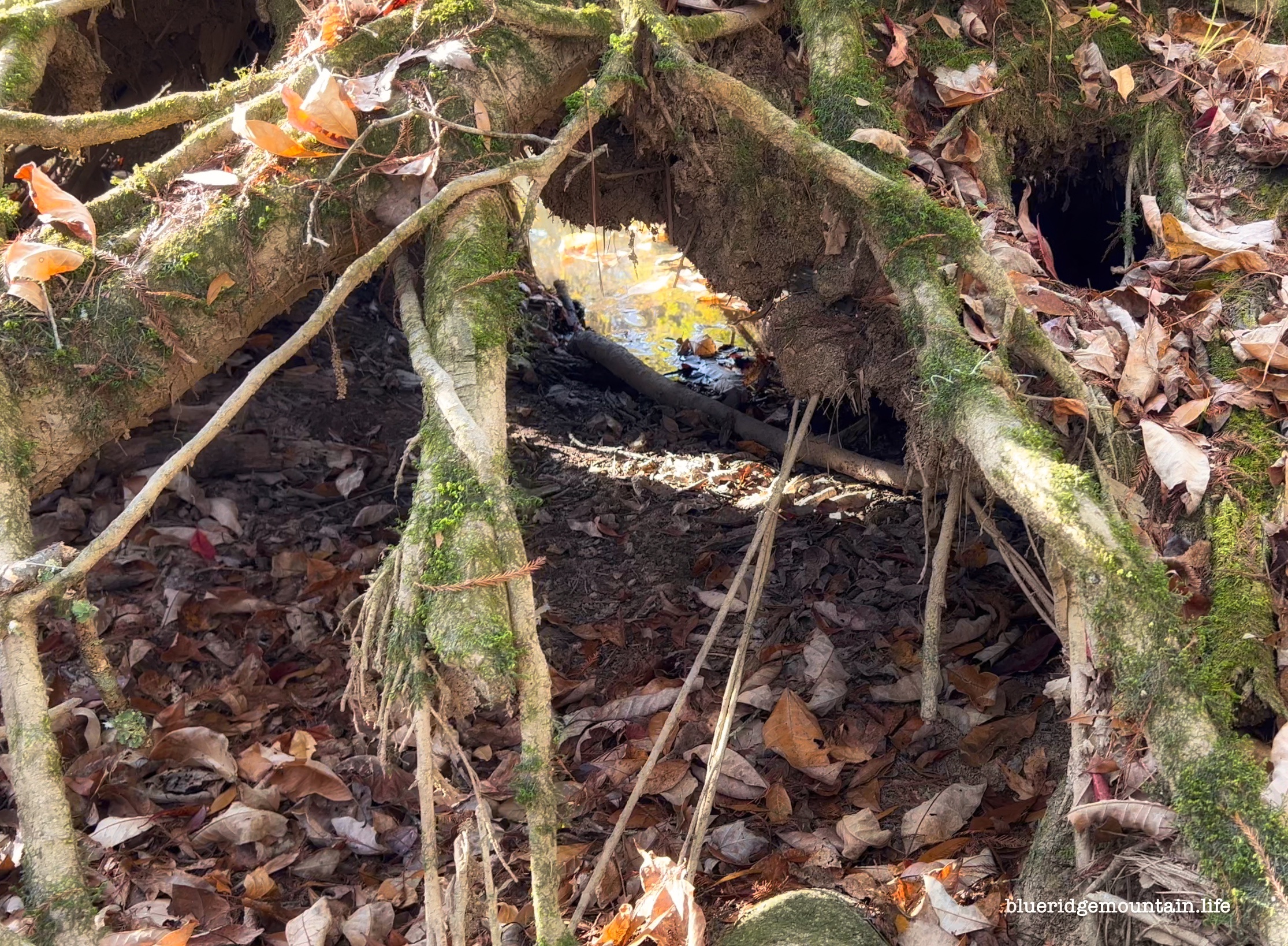
This can lead to changes in water flow and vegetation, which in turn affects other species who are less keen on such disruptions. It’s a bit like someone deciding to reroute a river to get a better view from their tent.
(continue reading next page)